

All window tint looks similar on day one. The difference shows up in February, parked in the sun at Chadstone or stuck on the Kwinana Freeway, when a ceramic film keeps the cabin genuinely cooler while a cheap dyed film just makes the glass darker.
The three tiers, explained
Dyed film darkens the glass and not much else. It fades, it can turn purple, and its heat rejection is modest. Carbon film is a real step up: stable colour, decent heat knockdown, no signal interference. Nano-ceramic is the top shelf: it blocks the infrared part of sunlight, which is what you feel as heat, without needing to go limo-dark.
That last point matters. With ceramic film even a light, legal shade rejects serious heat, so you can keep visibility at night and still beat the summer.
What we fit
We install premium carbon and nano-ceramic films backed by a lifetime warranty against fading, bubbling and going purple. Up to 99 percent of UV is blocked, which protects your skin and stops your dash and seats from cooking.
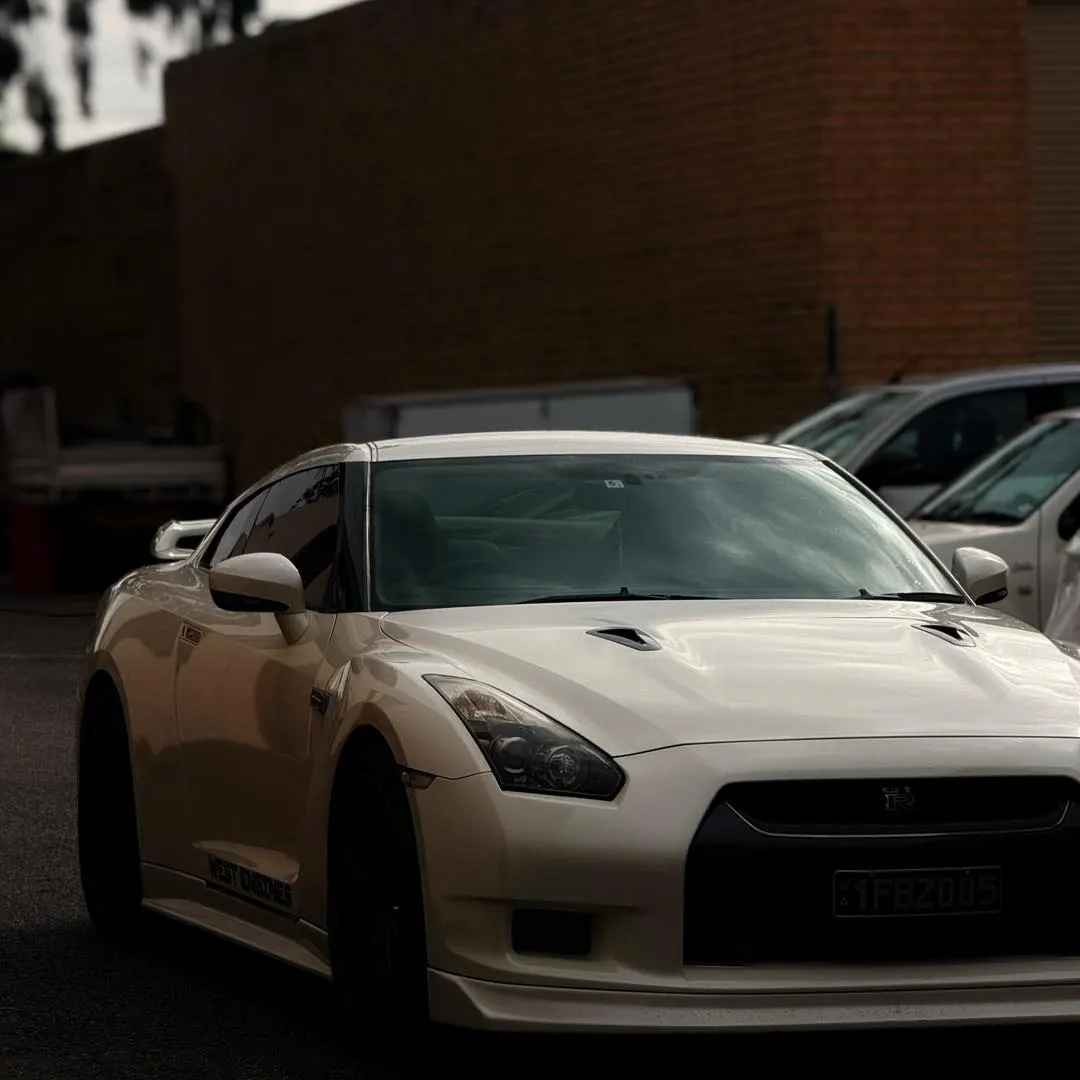
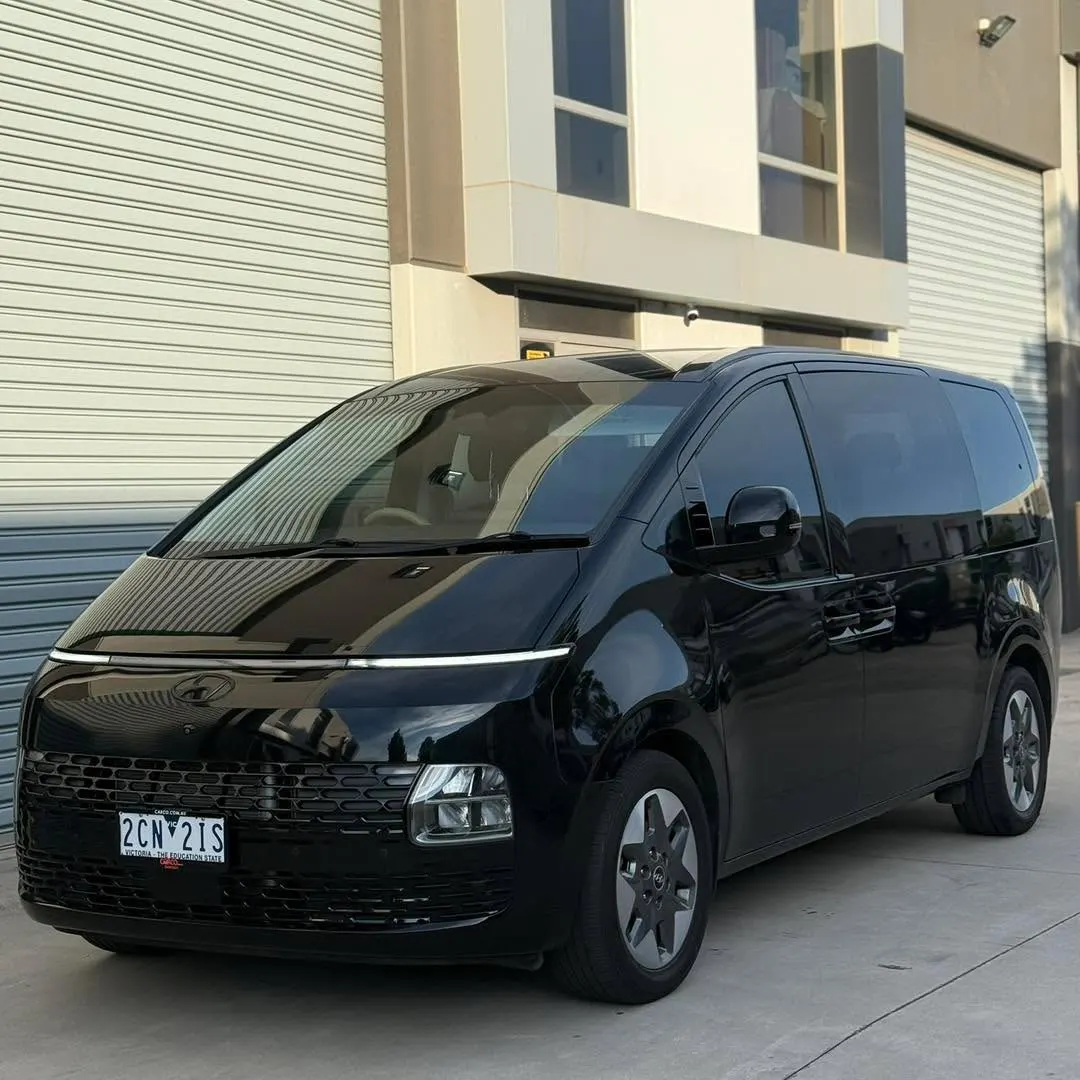
Every car is patterned and cut precisely, edges tucked, no bubbles. From a GT-R to a family Staria, the finish should look like the glass came that way. Legal shade limits differ between Victoria and WA, and we will guide you to the darkest legal option for your state.