

Everyone wants to know the same thing before they tint: how dark can I actually go without getting a fine? Fair question, and worth getting right, because a defect notice means peeling it all off and starting again.
Tint darkness is measured as VLT, or Visible Light Transmission. Higher VLT means lighter and lets more light through; lower VLT means darker. Here is how it works in Victoria and WA.
The front windows are the limit
In both Victoria and Western Australia, the front side windows must let through at least 35% of light, so 35% VLT is the legal minimum on the front. The front windscreen can only take a tint strip along the very top.
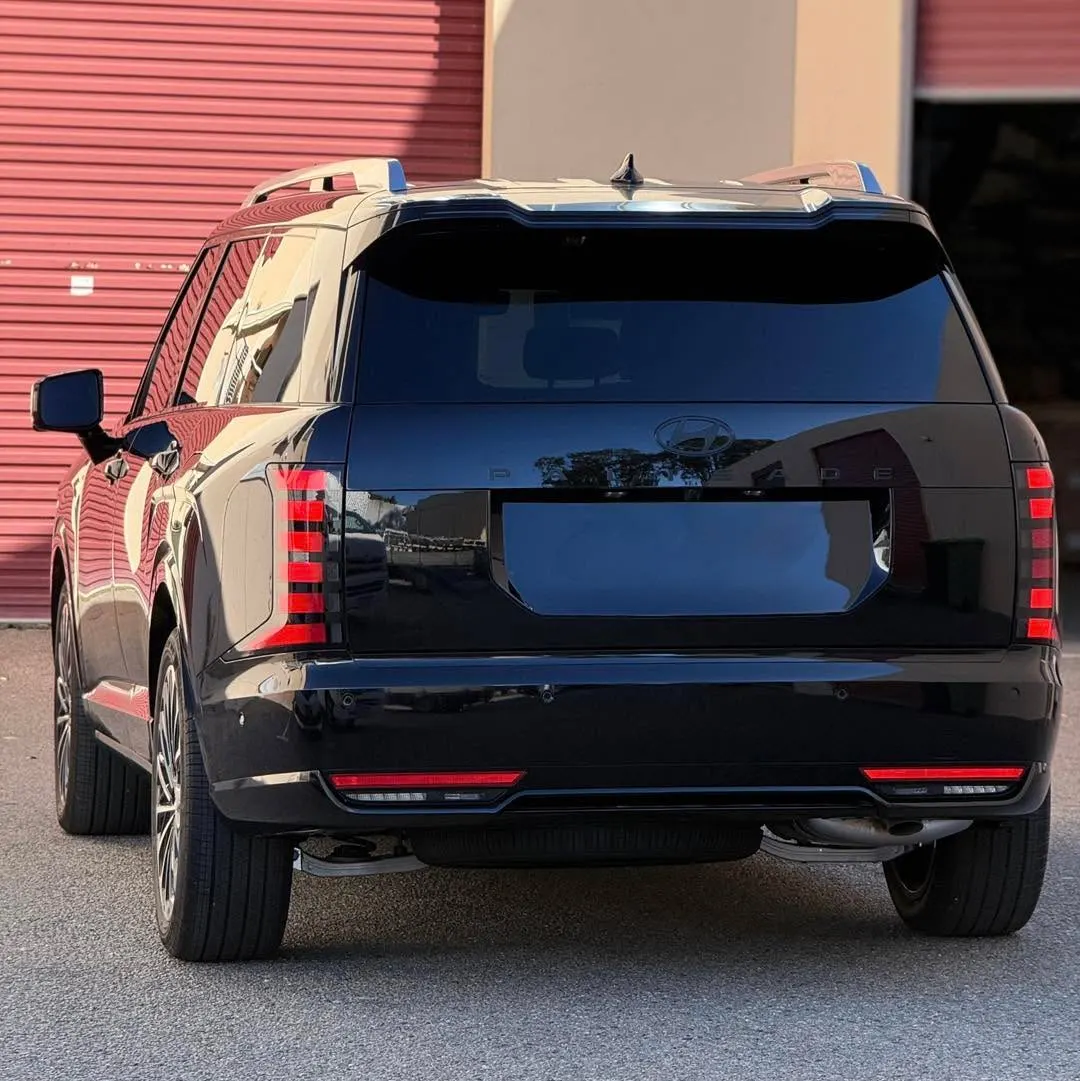
Behind the driver it opens right up: the rear side windows and rear windscreen can go as dark as 20% VLT, and on many SUVs and vans people go darker still on the very back for privacy. That is why a car can look properly blacked-out down the back while the fronts stay legal.
Darkness is not the same as heat rejection
This one trips people up. A cheap dark film can block light while still letting the heat pour in, and a quality nano-ceramic film can look lighter while rejecting far more heat and 99% of UV. Dark does not equal cool.
So if the goal is a cooler cabin and protected skin and interior, the film matters more than the shade. We will get you the darkest legal look on the front and the right ceramic film to actually keep the heat out.
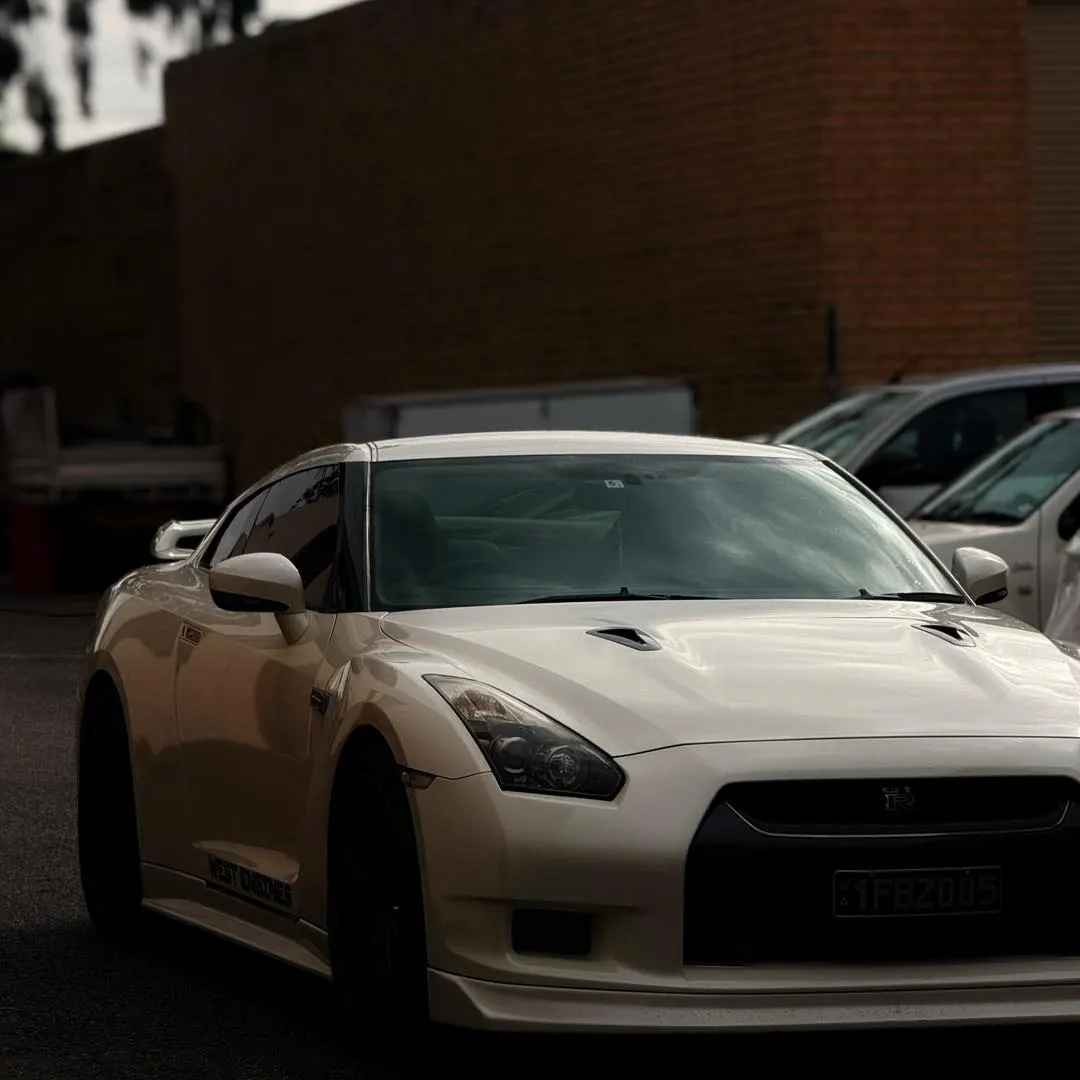
Want it legal and cool?
Tell us your car and your state and we will fit the darkest road-legal shade up front, go darker down the back, and match the film to how much heat you want gone. Lifetime warranty on the film, fitted bubble-free.